Source vintage eco friendly ceramic coaster for home, office, cafe
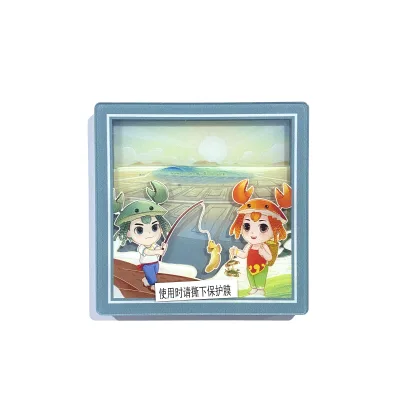
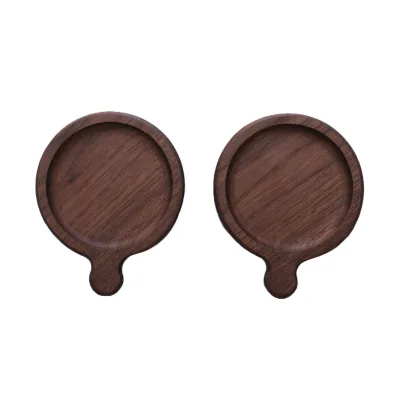
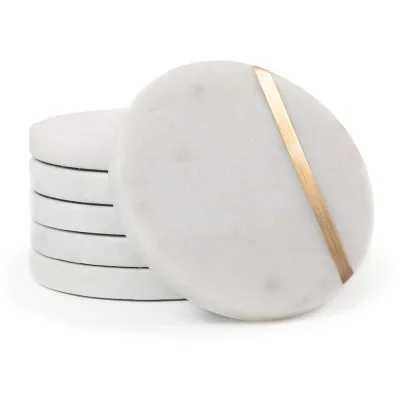
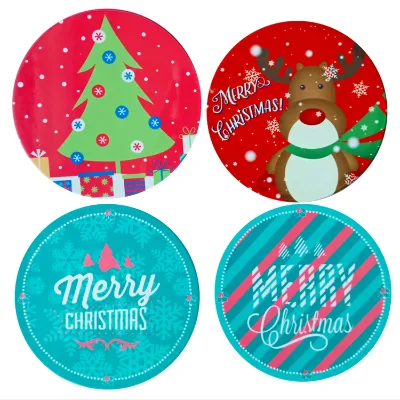
Compare 30 listings for vintage eco friendly ceramic coaster options suitable for home, office, and cafe use. Buyers can review specifications like size, shape, and customization features to find the right table decoration.
Key considerations
Products List
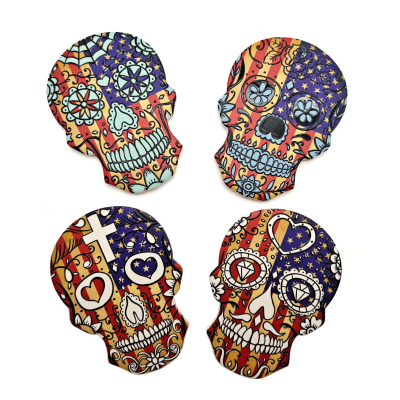
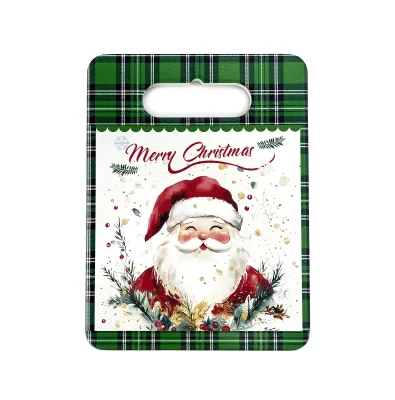
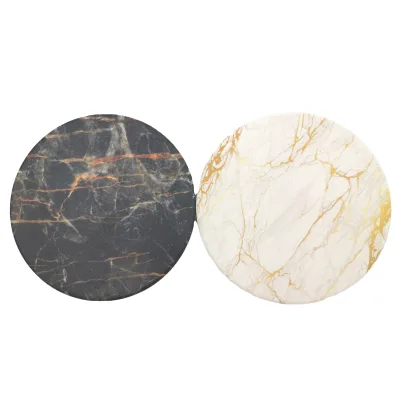


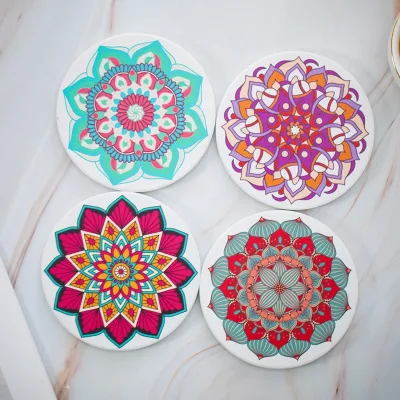

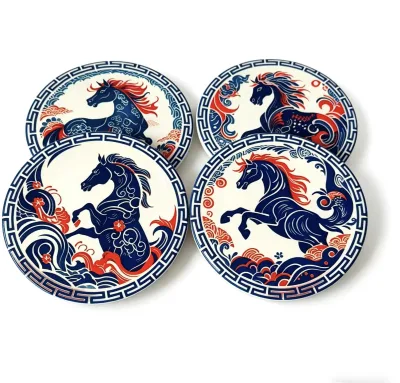
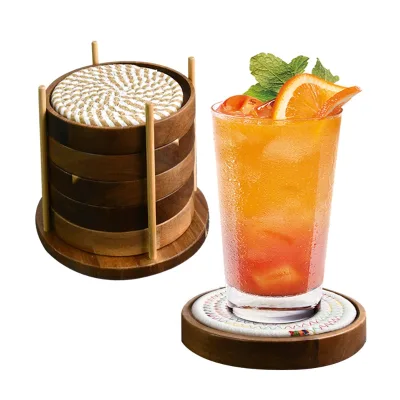

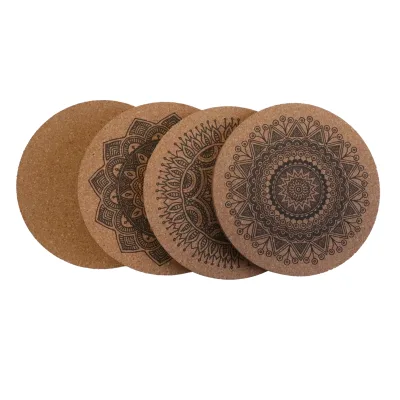
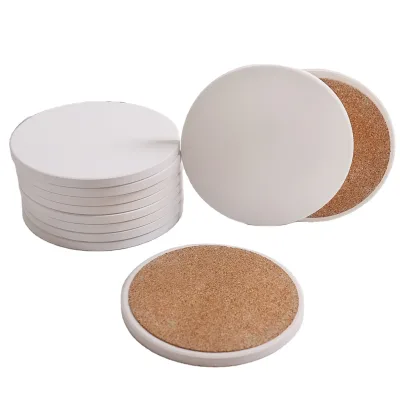
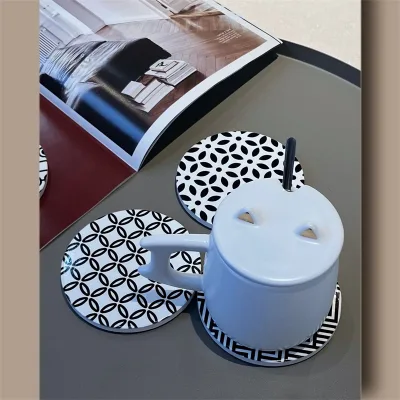
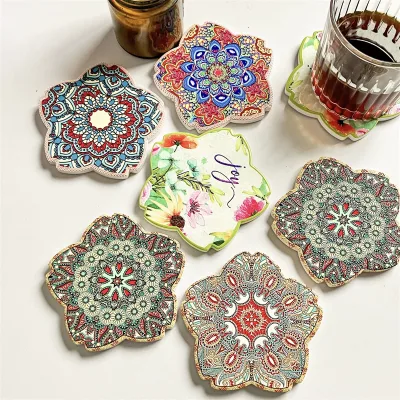
Comprehensive Sourcing Guide
Strategic Sourcing Guide for Vintage Eco-Friendly Ceramic Coasters
Understanding the Product Category and Material Composition
Sourcing a vintage eco-friendly ceramic coaster requires a precise understanding of the intersection between traditional aesthetics and modern manufacturing capabilities. The core material for this product category is ceramic, a substance derived from clay and fired at high temperatures to achieve durability and thermal resistance. In the context of the current market, ceramic coasters are frequently categorized under table decoration and accessories, specifically falling into the mats and pads sub-segment. The "vintage" descriptor often implies a specific aesthetic finish, such as irregular shapes or ornamental designs, rather than a specific historical era of manufacture.
The physical characteristics of these items vary significantly based on the intended design. While some listings describe a "ceramic ornament" style, others specify a "round" or "irregular" shape. The dimensions provided in current market data indicate a standard size of approximately 10 cm by 10 cm with a thickness of 0.8 cm, though other specifications suggest diameters exceeding 600 mm for larger decorative sets. It is critical for buyers to recognize that "ceramic" is a broad term; the specific clay body, glaze composition, and firing process determine the final product's weight, which can range from a single item weighing 1.000 kg in a package to lighter individual units. The "eco-friendly" attribute is often associated with the material's natural origin and the potential for reusability, though buyers must verify if this claim extends to the manufacturing process or the packaging materials used.
Technical Specifications and Dimensional Variability
When evaluating technical specifications, buyers must navigate a wide range of data points that may appear contradictory in general listings. The standard single package size for a ceramic coaster set is often cited as 12.5 x 9 x 0.8 cm, which suggests a compact, portable unit. However, the actual product dimensions can differ, with some models featuring a diameter specified as "Customized" or "S" size, while others list a specific model number like CH120221a-ceramic coffee coaster. The thickness of 0.8 cm is a common metric, providing sufficient weight to prevent sliding while remaining thin enough for aesthetic appeal.
The weight of the product is a significant logistical factor. A single gross weight of 1.000 kg for a package containing four pieces indicates a dense material, which directly impacts shipping costs. Conversely, other packaging details suggest a configuration of 1 piece per OPP bag with 180 pieces per carton, where the carton size is 51 x 33 x 30 cm and the gross weight is 19 kg. This variance highlights the importance of defining the exact unit of measure and packaging configuration before placing an order. The "vintage" style often manifests in the shape, described variously as "ornament coaster," "irregular," or "round." Buyers should verify if the irregularity is a deliberate design choice or a result of the manufacturing process, as this affects the consistency of the product line.
Compliance, Certification, and Environmental Claims
The "eco-friendly" claim is a critical differentiator in the B2B market, yet it requires rigorous verification. While the product attributes list "Eco-Friendly" as a feature, the specific standards or certifications supporting this claim are not explicitly detailed in the provided data. Buyers should not assume that a ceramic product is automatically sustainable; the sourcing guide must emphasize the need to request documentation regarding the clay sourcing, glaze toxicity, and energy consumption during the firing process. The certification field in some listings mentions "ceramic ornament," which appears to be a product classification rather than a third-party environmental certification.
To ensure compliance, buyers must verify if the supplier adheres to international safety standards for ceramics, such as lead and cadmium leaching limits, which are crucial for items used in food and beverage service. The "vintage" aesthetic may involve specific glazes that require careful scrutiny to ensure they meet modern safety regulations. Additionally, the "Customized" nature of the product, including logo printing and color options like Burgundy, Dark Gray, Deep Blue, or Custom, introduces variables in the chemical composition of the inks and glazes used. Buyers should request Material Safety Data Sheets (MSDS) for all printed and glazed components to confirm that the customization process does not introduce hazardous substances.
Cost Drivers and Pricing Dynamics
The pricing for ceramic coasters is influenced by several distinct factors, including material density, customization complexity, and order volume. The observed price range in the market spans from 0.05 to 5.29 USD, a wide disparity that reflects differences in quality, design intricacy, and order quantity. The Minimum Order Quantity (MOQ) is another significant cost driver, with observed ranges from 1 to 5000 units. Specific listings indicate an MOQ of 100 pieces for standard items, while others require 720 pieces, particularly for customized orders.
The cost of customization is a primary variable. Options such as "Logo Printing," "Customized" shapes, and "Custom" colors add to the base price. The manufacturing process, which includes "Machine Printing" or "Sublimation Printing," also impacts the final cost. Sublimation printing, for instance, allows for full-color, durable designs but may require higher setup costs or specific ceramic coatings. The "Supply Ability" of 1,000,000 pieces per month suggests that large-scale production is feasible, but the lead time for samples, ranging from 5-7 days to 7-10 days, must be factored into the overall procurement timeline. Buyers should be aware that lower unit prices often correlate with higher MOQs, and the "vintage" or "irregular" shapes may command a premium due to the complexity of the molding or finishing process.
Typical Applications and Usage Scenarios
Ceramic coasters are versatile products designed for a wide array of applications, ranging from residential use to commercial hospitality settings. The primary usage is as a "cup coaster holder," protecting surfaces from heat, moisture, and scratches. The "vintage" aesthetic makes them particularly suitable for home decor, where they serve as both functional items and decorative accents. The "Table Decoration & Accessories Type" classification confirms their role in enhancing the visual appeal of dining tables, coffee tables, and side tables.
In commercial environments, these coasters are ideal for restaurants, cafes, and offices. The "Usage" attribute explicitly lists "Home, Office, Restaurant, Cafe," indicating their broad applicability. The "Insulation" characteristic is a key functional benefit, protecting delicate surfaces from hot beverages. The "European" style mentioned in some listings suggests a design language that appeals to Western markets, while the "Modern" style indicates a contemporary appeal. The "Ornament" aspect of the product allows it to function as a standalone decorative piece, adding a touch of elegance to table settings. Buyers should consider the durability of the ceramic material in high-traffic commercial settings, where frequent washing and handling are required.
Supplier Evaluation and Quality Control Protocols
Evaluating suppliers for ceramic coasters requires a focus on their production capabilities, quality control measures, and logistical reliability. The "Place of Origin" is consistently listed as Fujian, China, a region known for its ceramic manufacturing industry. Buyers should verify the supplier's factory status, as some listings explicitly state "Yes ornament" for the factory, indicating a specialized production line. The "Port of Dispatch" is often Fuzhou, which is a major shipping hub in the region, facilitating efficient logistics.
Quality control is paramount for ceramic products, which are susceptible to chipping, cracking, and glaze defects. Buyers should implement a rigorous inspection protocol that includes checking for dimensional accuracy, surface finish, and structural integrity. The "Single package size" and "Packing" details, such as "4 pieces in a box" or "1pc/opp Bag," provide a baseline for packaging standards. However, for bulk orders, the "Packaging Details" of 180 pieces per carton with specific carton dimensions and gross weight must be confirmed to ensure safe transport. The "Sample time" and "Sample Leadtime" are critical indicators of a supplier's responsiveness and efficiency. A lead time of 5-7 days for samples suggests a streamlined process, while 7-10 days may indicate more complex customization.
Long-Term Procurement Considerations and Scalability
Long-term procurement of vintage eco-friendly ceramic coasters involves planning for scalability, supply chain resilience, and brand consistency. The "Supply Ability" of 1,000,000 pieces per month indicates that the market can support large-scale orders, but buyers must ensure that the supplier can maintain quality and consistency as volumes increase. The "Customization" availability allows for brand differentiation, but it also requires careful management of design assets and production specifications to avoid errors in large batches.
Sustainability is a growing concern in B2B procurement. While the "Eco-Friendly" attribute is present, buyers should seek suppliers who can demonstrate a commitment to sustainable practices throughout the supply chain, from raw material sourcing to waste management. The "Logo Printing" and "Customized" options offer opportunities for brand integration, but the longevity of the print quality must be verified to ensure it withstands repeated use and cleaning. Finally, the "Model Number" and "Product Name" consistency are essential for inventory management and reordering. Buyers should establish a clear specification sheet that includes all relevant attributes, such as size, color, shape, and packaging, to ensure seamless communication with the supplier and avoid costly misunderstandings.
FAQs
What is the standard size for ceramic coasters?
The standard size is typically 10 cm by 10 cm with a thickness of 0.8 cm. Some models may vary, with specific listings showing a single package size of 12.5 by 9 by 0.8 cm or custom diameters exceeding 600 mm for larger decorative sets.
Can I customize the logo and color on these coasters?
Yes, customization is available for both logos and colors. Buyers can request specific colors like Burgundy, Dark Gray, or Deep Blue, and suppliers offer printing options including machine printing and sublimation printing for branded designs.
What is the minimum order quantity for these items?
The minimum order quantity ranges from 1 to 5000 pieces depending on the supplier and customization level. Specific listings indicate an MOQ of 100 pieces for standard items, while customized orders may require a minimum of 720 pieces.
How long does it take to receive a sample?
Sample lead times typically range from 5 to 10 days. Specific data shows sample times of 5-7 days for some suppliers and 7-10 days for others, depending on the complexity of the requested customization and design requirements.
Where are these ceramic coasters manufactured?
The place of origin is consistently listed as Fujian, China. This region is a known hub for ceramic manufacturing, and the port of dispatch for shipping is often Fuzhou, facilitating efficient logistics for international buyers.
What certifications do these eco-friendly coasters have?
While the product is labeled eco-friendly, specific third-party environmental certifications are not explicitly detailed in the provided data. Buyers should verify compliance with safety standards for lead and cadmium leaching, especially for items used in food service environments.
What is the supply capacity for large orders?
The supply ability is reported as 1,000,000 pieces per month. This high capacity suggests that suppliers can support large-scale production needs, though buyers should confirm specific lead times and packaging configurations for bulk orders.